Empowering Patients: The Latest in Cancer Care and Support Strategies
In a world where the realm of cancer care can feel overwhelmingly complex, recent advances in treatment strategies are bringing hope and clarity to patients and their families. Imagine receiving cutting-edge oncology news that not only informs but empowers you. This is the goal of innovative cancer care, which combines medical treatment with comprehensive support systems. A quote by renowned oncologist Dr. Linda H. quickly comes to mind: 'Knowledge is the best medicine.' It's true—understanding the latest research findings can significantly influence your journey through illness awareness and recovery.
As we delve deeper into the landscape of treatment strategies, one brave pioneer’s story stands out. Meet Maria, a breast cancer survivor who, through her participation in clinical trials, discovered new therapies that dramatically improved her quality of life. Maria advocates for patient resources, emphasizing that being aware of new wellness tips and strategies allows individuals to feel more in control of their health. The patient experience can significantly benefit from health education, as empowered patients are better equipped to make informed decisions regarding their unique cancer types.
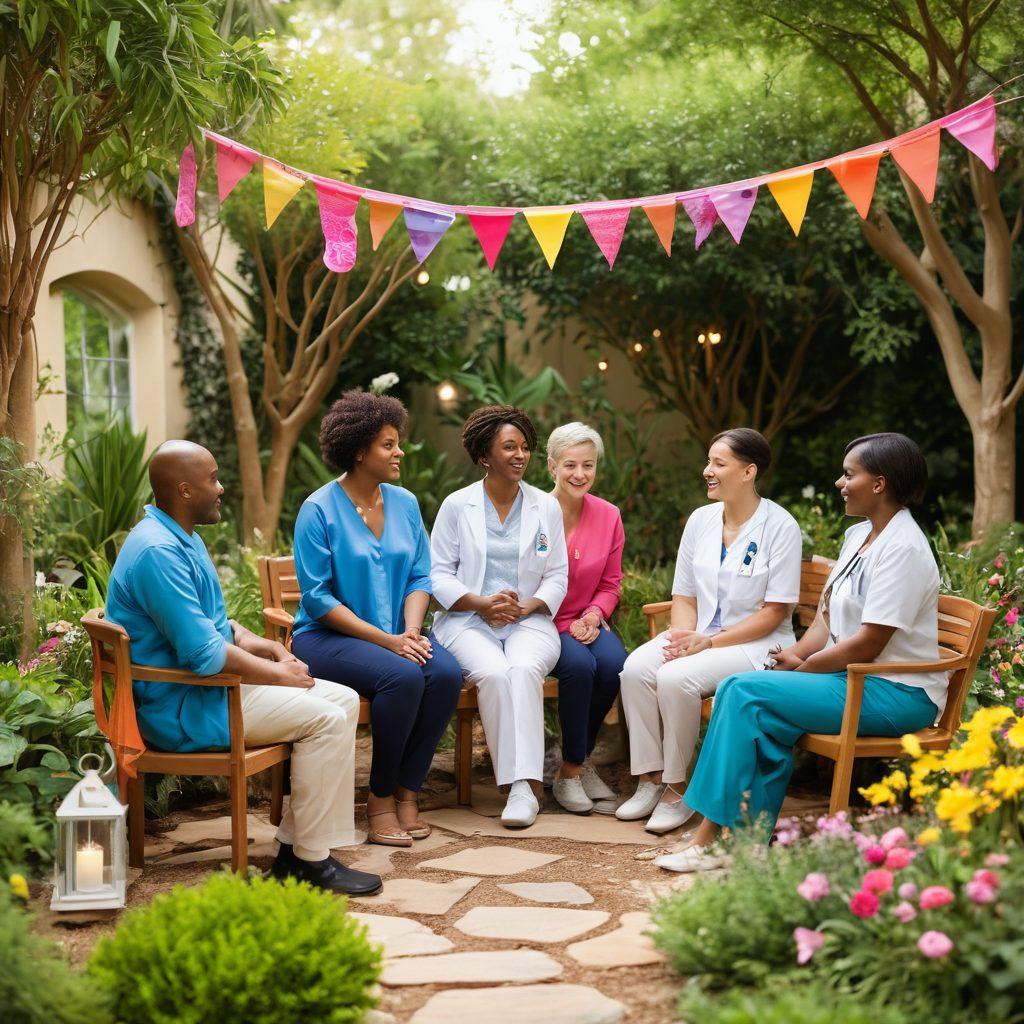
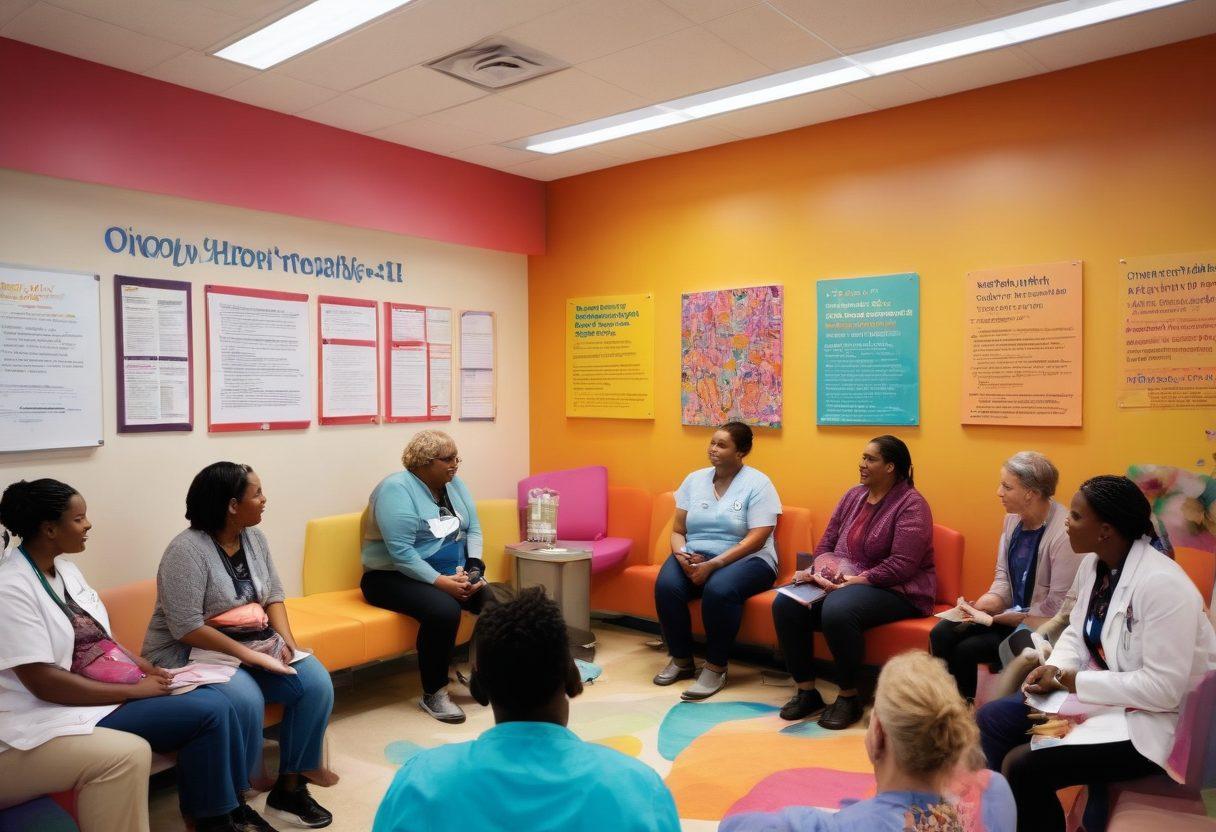
Now, let’s address the importance of community support. Patient advocacy groups have become lifelines for many. Have you ever wondered how a simple conversation with a fellow cancer survivor could transform your journey? Engaging with cancer support groups not only fosters a sense of belonging but also provides invaluable insights into shared experiences. These forums, both online and in-person, are rich sources of healthcare information that bridge the gap between scientific advancements and personal stories.
Research reveals that a holistic health approach can further enhance cancer care, focusing on mind, body, and spirit. Incorporating alternative therapies alongside conventional medical treatment can significantly improve emotional wellness. Picture this: a tranquil room filled with peaceful sounds, where patients engage in mindfulness practices while undergoing treatment. It is through these integrated methods that survivors like John learn that cancer is not just a diagnosis; it's part of their life story that they can shape and mold through resilience.
Lastly, the fight against cancer extends beyond individual battles; it is a collective journey. As more patients become advocates for cancer prevention and wellness strategies, the community grows stronger. We all have a role to play in spreading awareness, sharing useful oncology blog posts, and supporting each other through the multifaceted journey of survivorship. Each story told, each resource shared, empowers us to unlock the future of cancer research and care. After all, we are not merely surviving; we are thriving together, united in health and wellness.
Empowering Patients Through Knowledge: Health Education and Support Resources in Oncology
In today’s rapidly evolving world of oncology, it’s imperative that patients reclaim a sense of empowerment in their health journey. The landscape of cancer care is changing, and with it, a growing emphasis on health education and support resources. After all, knowledge is power. Imagine standing at the crossroads of treatment and wellness; on one side lies the uncertainty of cancer, and on the other, an informed and proactive approach to health management. How does one navigate this landscape? By harnessing patient resources and education to forge a path toward recovery and survivorship.
When we talk about health education in oncology, we're referring to the vital information patients need to make informed decisions about their treatment strategies. Have you ever felt overwhelmed by medical jargon or faced difficulty understanding your diagnosis? You're not alone. Many cancer patients find themselves on this rocky road, and it’s where oncology news and patient advocacy come into play. Engaging with the latest research findings can illuminate the complexities of different cancer types and treatment plans, putting the power back into the hands of patients. It’s no longer just about what the doctor suggests; it’s about what you choose for your own life and health.
Support resources are the lifeblood of the cancer care community. From cancer support groups that foster connections among survivors to holistic health programs that promote wellness tips, these resources are invaluable. How can someone find a community of fellow warriors who understand their battles? Online oncology blogs and local initiatives are filled with stories of strength, resilience, and healing. Communities that gather together not only share experiences but also create powerful connections that foster emotional support and practical guidance. Remember, you are not alone in this journey; there are countless warriors fighting similar battles alongside you.
Patient resources are more abundant than ever, offering comprehensive healthcare information that covers every aspect of the cancer experience—from prevention strategies to navigating clinical trials. It’s essential to be proactive about your health, but where do you start? Perhaps a quick dive into the latest wellness tips can provide insights into managing side effects or enhancing your overall quality of life. Each small step you take towards understanding your condition can accumulate into a vast ocean of knowledge—a powerful tool in your continued fight against illness awareness and recovery.
In conclusion, the empowerment of patients in oncology hinges on the availability of health education and support resources. It’s crucial that you stay informed and engaged, so that you may advocate for yourself and your needs effectively. With the right tools—community support, research insights, and a willingness to learn—you can navigate this formidable path with confidence. As you take charge of your cancer care, remember: Every question you ask, every resource you explore brings you one step closer to transforming your journey into one marked by hope and healing.
Building a Supportive Community: Effective Cancer Prevention and Wellness Tips for Survivors
Building a supportive community is essential when it comes to cancer care and wellness. Survivors and their families often face numerous challenges—emotionally, physically, and mentally. They seek not only medical treatment but also a place where they feel understood and supported. A community that embraces its members fosters resilience, allowing those affected to thrive rather than merely survive. As we explore effective cancer prevention and wellness tips for survivors, it’s important to remember the many ways we can unite and strengthen the fabric of our community.
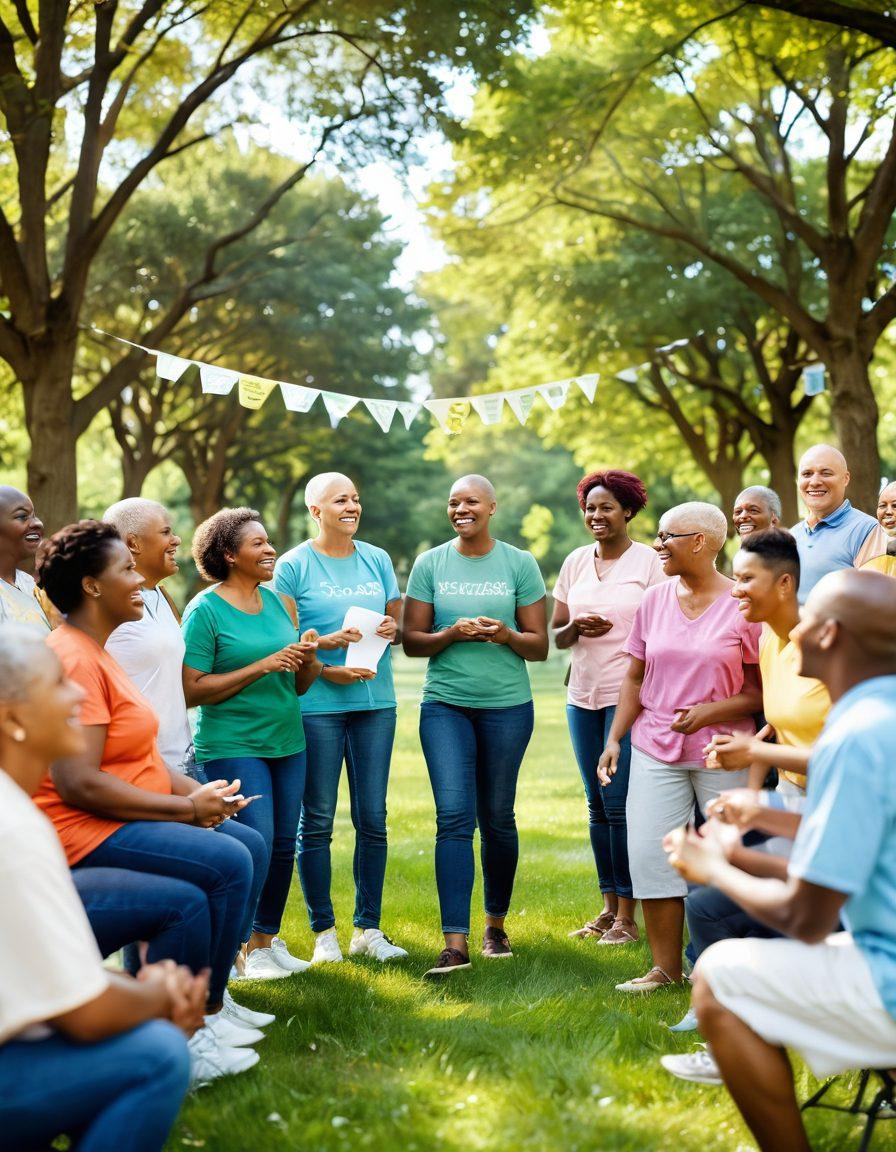
Imagine walking into a room filled with others who understand your journey. You’re greeted with smiles and a warmth that immediately eases your worries. Cancer support groups can provide such environments, creating safe spaces where survivors can connect, share their experiences, and learn from one another. According to recent oncology news, participating in such groups can significantly contribute to psychological well-being and decrease feelings of isolation. The camaraderie formed often results in lifelong friendships and a stronger sense of belonging, enhancing the journey of survivorship.
While access to healthcare information has improved drastically, the importance of patient advocacy cannot be overstated. It’s crucial that survivors educate themselves about their cancer types, treatment strategies, and wellness tips that can bolster their recovery. Health education should empower patients to engage in conversations with their healthcare providers. Whether it's inquiring about clinical trials or understanding the latest research findings, knowledge gives survivors the tools to take control of their health journey. Remember, it’s not just about fighting cancer; it’s about thriving afterward.
Cancer prevention is on everyone’s mind, and the lifestyle choices we make can have a profound impact. Survivors can embrace holistic health by incorporating wellness practices into their daily routine. Simple yet effective tips, such as adopting a balanced diet rich in fruits and vegetables, engaging in regular physical activity, and practicing mindfulness techniques like yoga or meditation, can make a significant difference in overall health and wellness. Ask yourself: Are you prioritizing self-care? These small changes can lead to improved physical and emotional health, which is crucial for long-term survivorship.
As the fight against cancer continues, it’s vital to remember that no one has to face it alone. Building a supportive community is the bedrock of effective cancer care and prevention. By joining forces, sharing resources, and offering encouragement, we can create nurturing environments that uplift us all. Let’s continue to advocate for patient resources and community support, ensuring that survivors not only survive but also live fulfilling lives. After all, the bonds we build through shared experiences are the threads that weave a vibrant tapestry of hope, resilience, and strength.